
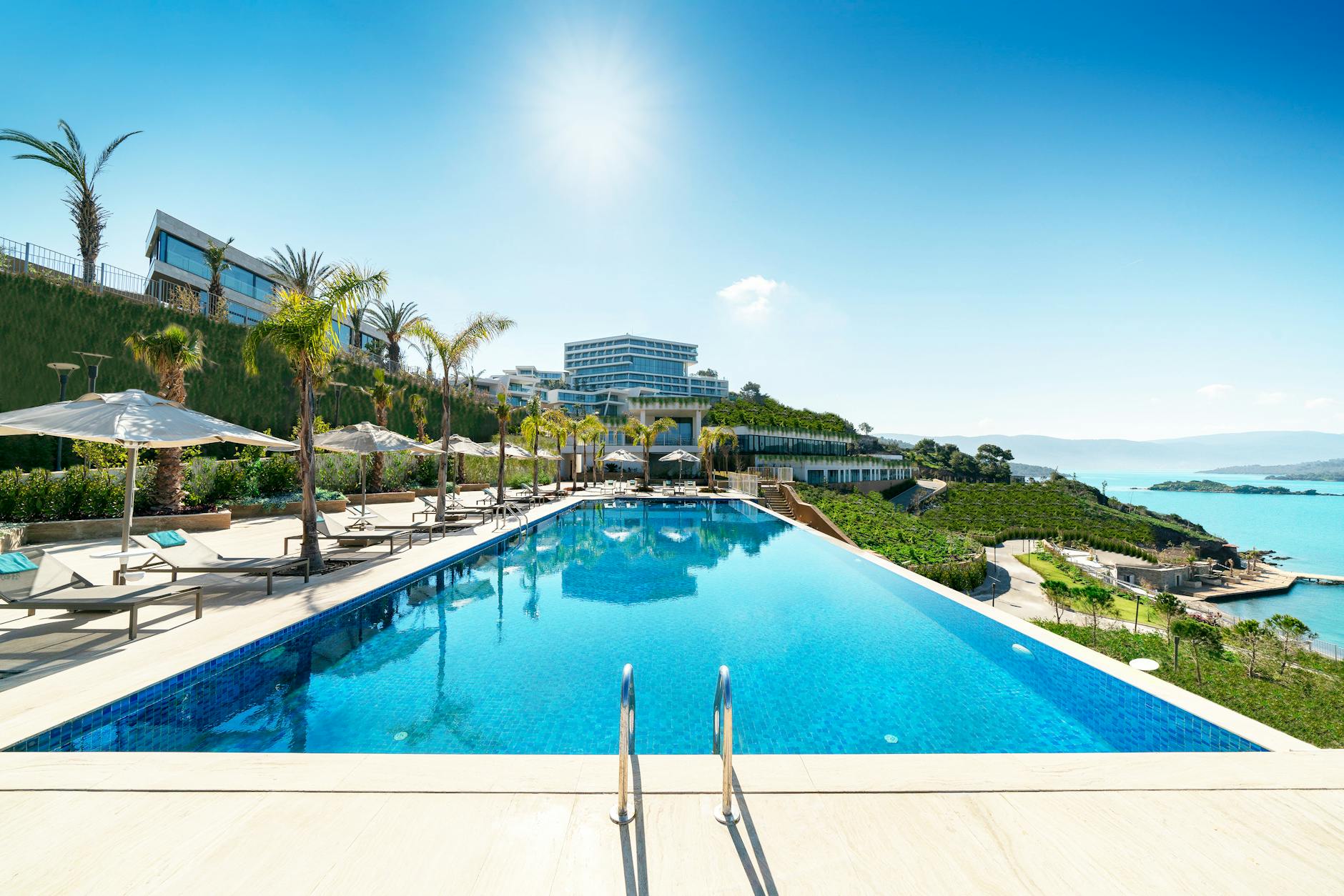
Learn how to create a modern, mobile-first resort website that increases bookings, builds trust, and showcases your resort beautifully. Simple guide with examples and tips.
Most resort owners think they need a complicated design or expensive software to build a professional website, but the truth is way simpler. A great resort website just needs to load fast, look clean on mobile, and guide visitors straight to your booking options without any confusion.
Why Every Resort Needs a Professional Website in 2025?
The hospitality world has gone fully digital, travelers now research, plan, and book online. If your resort doesn’t have a professional, fast, and mobile-friendly website, you’re practically invisible.
Everyone treats their resort website like an online brochure. but, they don’t realize.. it’s their digital front desk (digital representation of their business). It’s where guests decide whether they’ll book with you or.. they can just find another resort for their stay. i mean.. “why someone books your resort, when they can find another property online”.
The Shift from Travel Agents to Direct Bookings
In these modern world, travelers trust online reviews and resort websites more than travel agents. According to recent hospitality studies, 70% of bookings now happen directly through resort websites (if the resort have a proper website). Having your own platform gives you full control over branding, pricing, and guest experience, without paying commissions to third parties.
How a Resort Website Builds Trust and Increases Revenue?
A great resort website does more than look good, it builds emotional trust. High-quality visuals, guest testimonials, and a seamless booking process make potential visitors confident enough to click “Book Now”.
Key Elements of a High-Converting Resort Website
To truly stand out, your website must balance design, usability, and storytelling. Let’s break down the essential elements that make your resort’s online presence shine.
User-Centered Design and Visual Storytelling
i always tell this to resorts owners/management “people book resorts for a reason, it’s the experience they are seeking. if they just.. want a place to stay, they would book a hotel room instead” Your website should make visitors feel like they’re already there. Use immersive visuals, warm tones, and real guest stories to showcase your resort’s personality.
Mobile-First & Responsive Layout: Why It’s Non-Negotiable?
In 2025-26, over 80%+ of travel bookings are made on smartphones. A mobile-first design ensures that your site adapts seamlessly across devices, from phones to tablets to laptops. If your site isn’t optimized, you lose potential guests instantly.
Fast Loading Speed and SEO Optimization for Resorts
Speed equals satisfaction. Google and guests both hate slow sites. Optimize images, use lazy loading, and choose fast hosting to improve SEO rankings and conversions.
Easy Online Booking and Payment Integration
A professional booking system that supports real-time availability and secure payments is essential. Simplify the process to reduce bounce rates and maximize bookings.
Building a Memorable Brand Identity Through Web Design
Your design should reflect your resort’s identity, tropical, luxurious, cozy, or eco-friendly. Every color, font, and photo should tell your story consistently.
Step-by-Step: How to Create a Website for Resort (That Actually Converts)?
Building a high-performing resort website isn’t complicated when you follow the right strategy. Here’s a clear roadmap.
Step 1: Define Your Resort’s Core Message and Target Guests
Ask: Who do you want to attract? Families, couples, or adventure seekers? Once defined, your content and design should align perfectly with your target audience.
Step 2: Choose the Right CMS and Hosting for Performance
WordPress, Webflow, or a custom CMS (Content Management System). choose one that balances flexibility and speed. Ensure your hosting offers top-tier uptime (online availability) and security.
Step 3: Design a Mobile-First Interface for Seamless Experience
Your homepage should communicate everything at a glance, stunning visuals, quick booking button, and easy navigation.
Step 4: Integrate Booking, Gallery, and Testimonial Features
Your booking system is the heart of your resort website. Make sure it is simple, secure, and supports real time availability. A clean gallery also plays a huge role because travelers make decisions based on visuals. Add high quality photos, short videos, and before and after renovation shots if available. Real Testimonials (reviews) add trust and help guests feel confident in choosing your resort over competitors.
Step 5: Optimize for SEO, Local Search, and User Experience
Search engines love websites that are fast, helpful, and relevant. This is why SEO matters when you create website for resort. Many resort owners ignore it and end up invisible online. Use keyword rich titles, add alt text to images, optimize your site structure, and target local keywords like “best resort in [your location]” (Note: this is just an example). Meaning.. Strong SEO helps you reach travelers who are already searching for a stay in your area.
Step 6: Launch and Maintain With Analytics and Security
Launching is only the beginning. Real growth comes from consistent improvement. Track your visitor behavior, button clicks, popular pages, and booking form conversions. Security is also important if a resort website handles payments and guest data. Regular backups, SSL certificates, and security monitoring protect your business and build trust with guests.
Mobile First Design: The Key to Attracting Modern Travelers
Travelers today scroll, tap, and book using their smart phones. A mobile first resort website gives them a smooth experience that feels natural. It also increases your visibility because search engines reward mobile friendly websites.
How Mobile Optimized Resort Websites Boost Bookings?
Guests are more likely to book if your site loads fast and looks amazing on small screens. Buttons must be large enough to tap. Text must be readable without zooming. Images must load smoothly. A mobile optimized site reduces bounce rates and encourages visitors to explore your rooms, amenities, and pricing.
UX Tips for an Engaging, Scroll Friendly Resort Website
Make navigation simple. Use a floating menu that follows visitors as they scroll. Keep your call to action buttons visible and clear. Add social proof like guest reviews, awards, and star ratings to increase trust. Present room types in an easy swipe format so guests can compare instantly.
Common Mistakes Resort Owners Make When Building Websites
Even beautiful resorts lose bookings because the website is not helping them Grow. Avoid these mistakes if you want a high converting online presence.
Ignoring Mobile Optimization and Speed
A website that looks good on desktop but breaks on mobile can lose more than half of potential guests. Slow loading pages also push visitors away. Speed is not optional.
Using Generic Templates Instead of Custom Branding
Resort guests want a unique experience. A generic website design template and structure makes your resort look like everyone else. A custom design brings out your personality and sets the tone for what guests will experience in real life.
Poor Navigation and Weak Call To Actions
If guests cannot find room details, booking buttons, or contact information within seconds, they will leave. A clear structure builds confidence and encourages bookings.
Essential Features Your Resort Website Must Have in 2025
Travel behavior continues to evolve. Your resort website must match modern expectations.
Virtual Tours, Gallery, and Visual Experience
A virtual tour helps guests imagine themselves inside your property. Clear and bright photos increase interest. Short clips of pools, rooms, and scenic views grab attention quickly.
Location Maps, Reviews, and Social Media Integration
Guests want to know how far you are from beaches, landmarks, or the airport. Reviews help them trust your resort. Social media integration keeps them connected with your brand.
Smart Booking System With Real Time Availability
A hassle free booking experience makes everything easier. Show available dates, prices, discounts, and instant confirmation to increase conversions.
SEO Strategies for Resort Websites
SEO is your long term engine for visibility and bookings.
Local SEO: Capture Guests Searching “Resort Near Me”
Most travelers search locally. Optimizing your Google Business Profile, adding your location in metadata, and targeting city based keywords helps you appear in local results.
Schema Markup for Resorts and Hotels
Schema markup helps search engines understand your business. Add hotel schema, FAQs, ratings, and room details to increase your chances of showing rich results.
Blogging and Content Marketing for Long Term Growth
Write about travel tips, local guides, activities, and seasonal attractions. Content positions your resort as an expert and increases organic traffic over time. You can also link to reliable resources such as Tripadvisor for credibility.
Why Hiring a Professional Web Developer Matters
A professional understands design, strategy, and technology at a deeper level. DIY templates cannot match expert execution.
Time, Quality, and Conversion Expertise
Professionals know what works and what does not. They save you time and deliver a polished website that actually converts visitors into paying guests.
Security, Speed, and Scalability Advantages
A custom setup is more secure and loads faster. It also grows with your business. You can add new features, rooms, payment options, and integrations anytime.
Case Study: Transforming a Small Resort Into a Local Destination
Many small resorts struggle with online visibility. A redesigned website with strong SEO and a clean user experience often leads to higher bookings, better reviews, and repeat guests. Modern design and strategy can turn a quiet resort into a local favorite.
Frequently Asked Questions (FAQs)
1. Why is mobile first design important for my resort website?
Most travelers browse and book using their phones. A mobile first design helps you reach more people and increase bookings.
2. How long does it take to create a website for a resort?
It depends on the size and features, but most professionally built resort websites take a few weeks.
3. Do I need a booking system for my resort website?
Yes. A booking system improves convenience, increases trust, and boosts direct bookings.
4. Can SEO really help my resort attract more guests?
Yes. SEO improves visibility in search results and helps travelers find your resort online.
5. What makes a good resort website?
Fast loading speed, mobile friendly design, clear room details, beautiful visuals, and easy booking.
6. Why should I hire a professional instead of using a website builder?
Professionals offer better design quality, stronger SEO, faster performance, and long term support.
Final Thoughts: Make Your Resort Website Work for You
Your resort website is more than a digital brochure. It is your online identity, your sales engine, and your first impression. A modern and mobile friendly resort website brings more bookings, builds trust, and strengthens your brand. If you want a website that stands out and drives real results, working with a professional is one of your best investment (when considering Return Of Investment).


![How Much Does SEO Cost in USA? [2026 SEO Pricing Guide]](https://aflahzaman.com/wp-content/uploads/mac-freelancer-macintosh-macbook-40185.jpeg)